The Use of Blockchain in Combating Cybercrime

The digital age has brought with it unprecedented convenience and connectivity, but it has also created a breeding ground for cybercrime. From data breaches and ransomware attacks to phishing scams and identity theft, the threat landscape is constantly evolving and becoming more sophisticated. While traditional security measures are struggling to keep pace, blockchain technology is emerging as a powerful tool in the fight against cybercrime.
Introduction
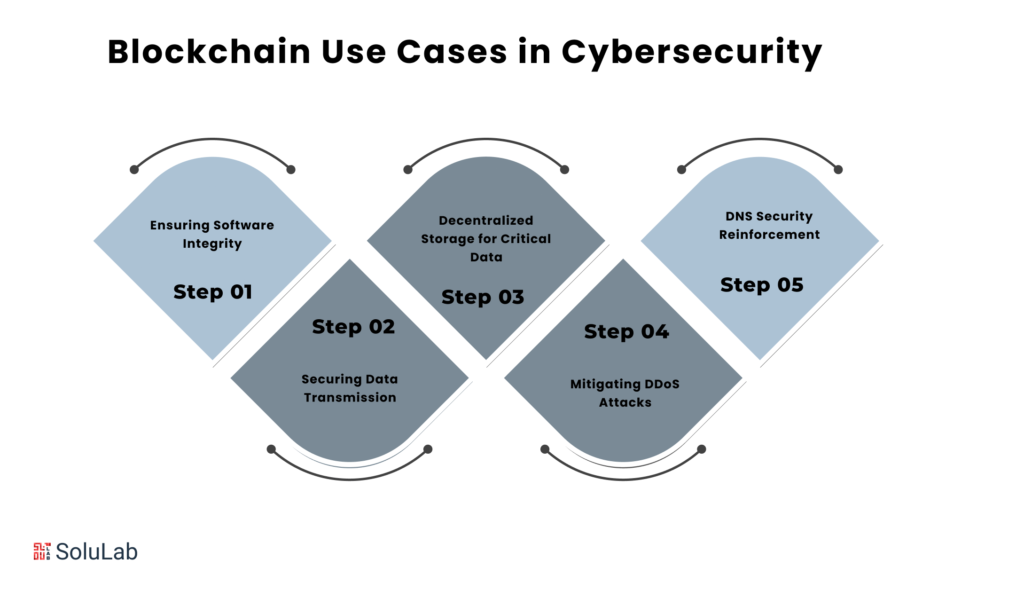
Blockchain, the technology underpinning cryptocurrencies like Bitcoin, is a decentralized, immutable, and transparent ledger that records transactions across a distributed network. Its unique characteristics offer a range of advantages in addressing various cybercrime challenges. By leveraging blockchain’s immutability, transparency, and distributed nature, we can enhance security, increase accountability, and streamline investigations, ultimately creating a safer digital environment.
Secure Data Storage and Management
Blockchain offers a secure and tamper-proof method for storing and managing sensitive data, protecting it from unauthorized access and modification.
- Immutability: Once a transaction is recorded on the blockchain, it cannot be altered or deleted, providing a permanent and auditable record. This makes it extremely difficult for cybercriminals to tamper with data or create fake records.
- Data Integrity: Blockchain’s cryptography ensures the integrity of stored data, preventing unauthorized modifications and ensuring its authenticity.
- Decentralization: Data stored on a blockchain is not centralized on a single server, making it less vulnerable to attacks. This distributed nature also increases resilience against data loss.
- Secure Authentication: Blockchain can be used to create secure digital identities and enable verifiable authentication, reducing the risk of identity theft and unauthorized access.
Traceability and Tracking of Criminal Activity
Blockchain can help track the movement of digital assets and identify suspicious activity, making it easier to trace cybercriminals and recover stolen funds.
- Transparent Transactions: All transactions on a blockchain are publicly viewable, making it possible to track the flow of funds and identify suspicious patterns.
- Smart Contracts: These self-executing contracts can automate transactions and enforce predetermined conditions, reducing the risk of fraud and manipulation.
- Anti-Money Laundering (AML) and Know Your Customer (KYC) Compliance: Blockchain can enhance AML and KYC compliance by providing a transparent and auditable record of transactions, making it easier to detect and prevent financial crime.
- Forensic Analysis: The immutability and transparency of blockchain make it an invaluable tool for forensic investigations, enabling investigators to trace the origin of funds, identify perpetrators, and gather evidence.
Combating Ransomware and Data Breaches
Blockchain can play a crucial role in preventing ransomware attacks and mitigating the damage caused by data breaches.
- Secure Data Backup and Recovery: Blockchain can be used to create decentralized and immutable backups of critical data, ensuring its availability even in the event of a data breach.
- Ransomware Mitigation: By storing data on a blockchain, organizations can make it more difficult for ransomware attackers to encrypt and hold data hostage.
- Improved Incident Response: Blockchain can streamline incident response by providing a clear and auditable record of events, facilitating faster identification of the source of the attack and enabling quicker recovery.
- Cybersecurity Insurance: Blockchain can enhance the accuracy and efficiency of cybersecurity insurance by providing a reliable record of security events and facilitating faster claim processing.
Enhanced Identity Verification and Authentication
Blockchain can improve the security of online identities and streamline authentication processes, making it harder for cybercriminals to impersonate users.
- Decentralized Identity Management: Blockchain can enable the creation of decentralized identity systems, where individuals control their own digital identities and have greater control over their data.
- Secure Authentication: Blockchain-based authentication systems offer more secure and tamper-proof methods for verifying identities, reducing the risk of unauthorized access.
- Fraud Prevention: Blockchain can help prevent fraud by providing a secure and verifiable record of identity information, making it harder for cybercriminals to create fake accounts or impersonate others.
- Biometric Authentication: Blockchain can facilitate secure storage and management of biometric data, making it more difficult for cybercriminals to steal and misuse this sensitive information.
Promoting Collaboration and Information Sharing
Blockchain can facilitate information sharing and collaboration between law enforcement agencies, cybersecurity professionals, and other stakeholders, enhancing the collective response to cybercrime.
- Data Sharing Platforms: Blockchain can create secure and transparent data-sharing platforms, enabling organizations to share information about threats and vulnerabilities without compromising privacy or security.
- Evidence Preservation: Blockchain can help preserve digital evidence and ensure its integrity, making it more admissible in court proceedings.
- International Cooperation: Blockchain can facilitate cross-border collaboration in combating cybercrime, allowing law enforcement agencies to share information and coordinate investigations more effectively.
- Threat Intelligence Sharing: Blockchain can be used to create decentralized threat intelligence networks, enabling organizations to share information about emerging threats and best practices for mitigation.
Conclusion
Blockchain technology presents a powerful arsenal of tools for combating cybercrime, addressing key challenges like data security, traceability, identity management, and collaboration. Its unique features like immutability, transparency, and decentralization offer a significant advantage over traditional security measures, empowering organizations and law enforcement to effectively combat the ever-evolving threat landscape.
While blockchain is not a silver bullet, its potential to enhance security, increase accountability, and streamline investigations is undeniable. By embracing this innovative technology, we can create a more secure and resilient digital ecosystem, protecting individuals and businesses from the growing threat of cybercrime. As blockchain technology continues to evolve and mature, its role in combating cybercrime will only grow more significant, paving the way for a safer and more secure digital future.