The Potential of Blockchain to Disrupt the Hospitality Industry

The hospitality industry, encompassing hotels, restaurants, and travel services, is ripe for disruption. Blockchain technology, with its inherent properties of transparency, security, and immutability, holds the potential to revolutionize this traditional sector. From streamlining bookings and payments to enhancing guest experiences and ensuring supply chain integrity, blockchain offers a diverse range of opportunities for industry players.

Introduction
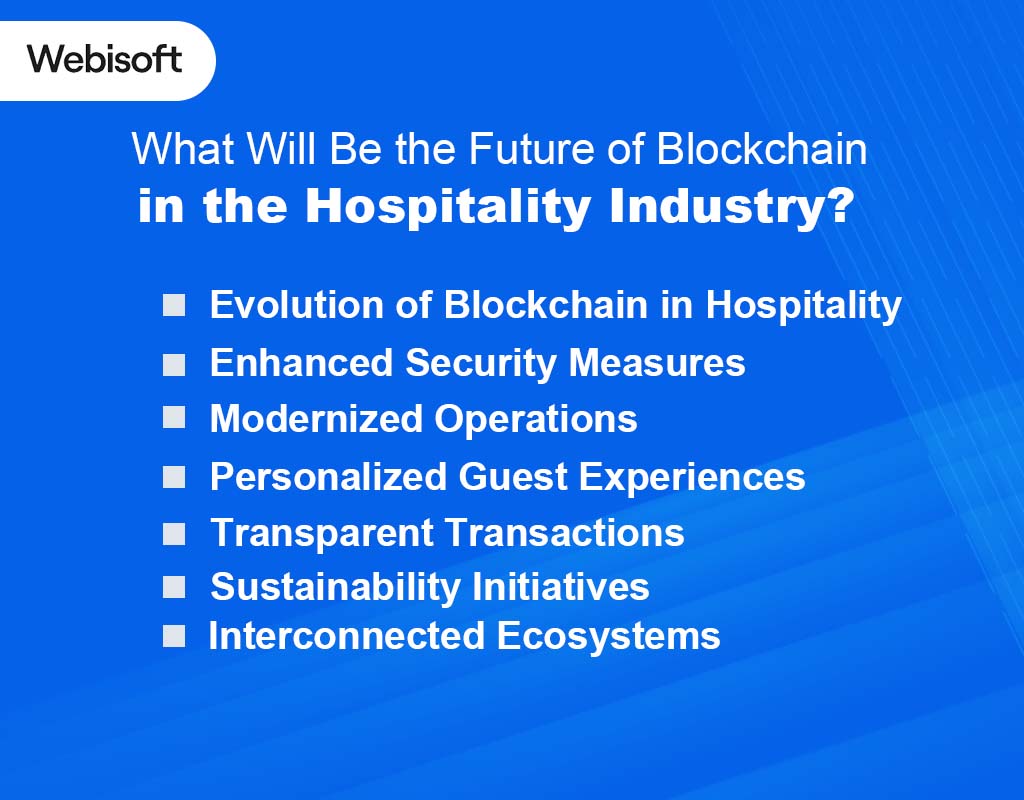
The hospitality industry, like many others, is grappling with challenges such as complex booking processes, opaque pricing, and data security concerns. Blockchain, with its decentralized and transparent nature, emerges as a potential solution to these issues. By leveraging the technology, hospitality businesses can foster trust, improve efficiency, and unlock innovative opportunities.
This article explores the transformative potential of blockchain in the hospitality industry, examining key areas where it can disrupt traditional practices and create a more seamless, secure, and personalized experience for both guests and stakeholders.
Streamlining Bookings and Payments
Blockchain can simplify the booking and payment process for travelers, reducing friction and enhancing convenience. Smart contracts automate booking confirmations, payment processing, and cancellation policies, ensuring transparent and efficient transactions.
- Automated Booking Confirmation: Smart contracts can automatically confirm bookings upon successful payment, eliminating manual verification and potential delays.
- Secure and Transparent Payments: Blockchain enables secure and transparent payments through cryptocurrency or stablecoins, reducing transaction fees and eliminating reliance on intermediaries.
- Real-Time Inventory Management: Blockchain can provide real-time inventory visibility, allowing hotels and other hospitality providers to manage availability across multiple platforms.
- Decentralized Booking Platforms: Blockchain can power decentralized booking platforms, giving travelers more control over their booking process and eliminating reliance on centralized platforms.
Enhancing Guest Experiences
Blockchain technology can personalize guest experiences, offering tailored services and rewards based on individual preferences and past interactions.
- Personalized Recommendations: Blockchain can store guest preferences and past interactions, allowing hotels to provide personalized recommendations for dining, entertainment, and other services.
- Loyalty Programs: Blockchain can enhance loyalty programs by providing transparent and secure tracking of points and rewards, fostering greater customer engagement.
- Digital Identities: Blockchain can facilitate the creation of secure and portable digital identities, allowing guests to access services and manage preferences across multiple venues.
- Data Privacy and Security: Blockchain can enhance data security by storing guest information securely on a decentralized ledger, reducing the risk of data breaches.
Supply Chain Transparency and Efficiency
Blockchain can enhance supply chain transparency and efficiency in the hospitality industry, ensuring the quality and traceability of goods and services.
- Food Traceability: Blockchain can track food ingredients from source to table, providing transparency and ensuring food safety.
- Supply Chain Management: Blockchain can streamline supply chain management by providing real-time visibility into inventory levels, deliveries, and quality control processes.
- Sustainable Practices: Blockchain can help hospitality businesses track their environmental impact and promote sustainable practices by verifying the origin and sustainability of their supplies.
- Anti-Counterfeiting: Blockchain can combat counterfeiting by providing a secure and immutable record of origin and authenticity for goods and services.
Empowering Communities and Local Businesses
Blockchain can empower local communities and businesses by facilitating peer-to-peer sharing of resources and creating new revenue streams.
- Local Sharing Economy: Blockchain can enable peer-to-peer sharing of accommodation, transportation, and other resources, empowering local residents and entrepreneurs.
- Decentralized Tourism Platforms: Blockchain can power decentralized tourism platforms, giving travelers access to local experiences and supporting small businesses.
- Community-Based Hospitality: Blockchain can foster community-based hospitality initiatives by connecting travelers with local residents and businesses.
- Decentralized Funding: Blockchain can facilitate decentralized funding for hospitality projects, allowing communities to invest in and develop their own tourism infrastructure.
Conclusion
The potential of blockchain to disrupt the hospitality industry is immense. By leveraging the technology’s transparency, security, and efficiency, industry players can streamline operations, enhance guest experiences, and foster a more sustainable and equitable ecosystem. From automating bookings and payments to personalizing services and promoting community-based tourism, blockchain offers a wide range of opportunities to transform the way travelers experience and interact with the hospitality sector.
While challenges remain in terms of adoption, regulation, and scalability, the transformative potential of blockchain is undeniable. As the technology matures and its applications become more widespread, the hospitality industry is poised to undergo a significant shift, embracing the decentralized, transparent, and secure future that blockchain offers.